
Gameplay · November 10, 2026
Phantom Blade Zero: Hua Grab Attacks After the November Patch
Hua, Deadly Betrothed uses grab attacks less frequently on Wayfarer and Pathbreaker after Phantom Blade Zero patch 1.0302256. Other difficulty settings are unaffected by that particular adjustment. Fewer grabs do not mean grabs are removed, nor does the announcement specify a new timing window or a guaranteed punish. The useful response is to rebuild your decisions around the attacks you actually see in the updated encounter. Keep a clear view, avoid spending every opening on a long commitment, and learn which part of the exchange is catching you before replacing equipment.
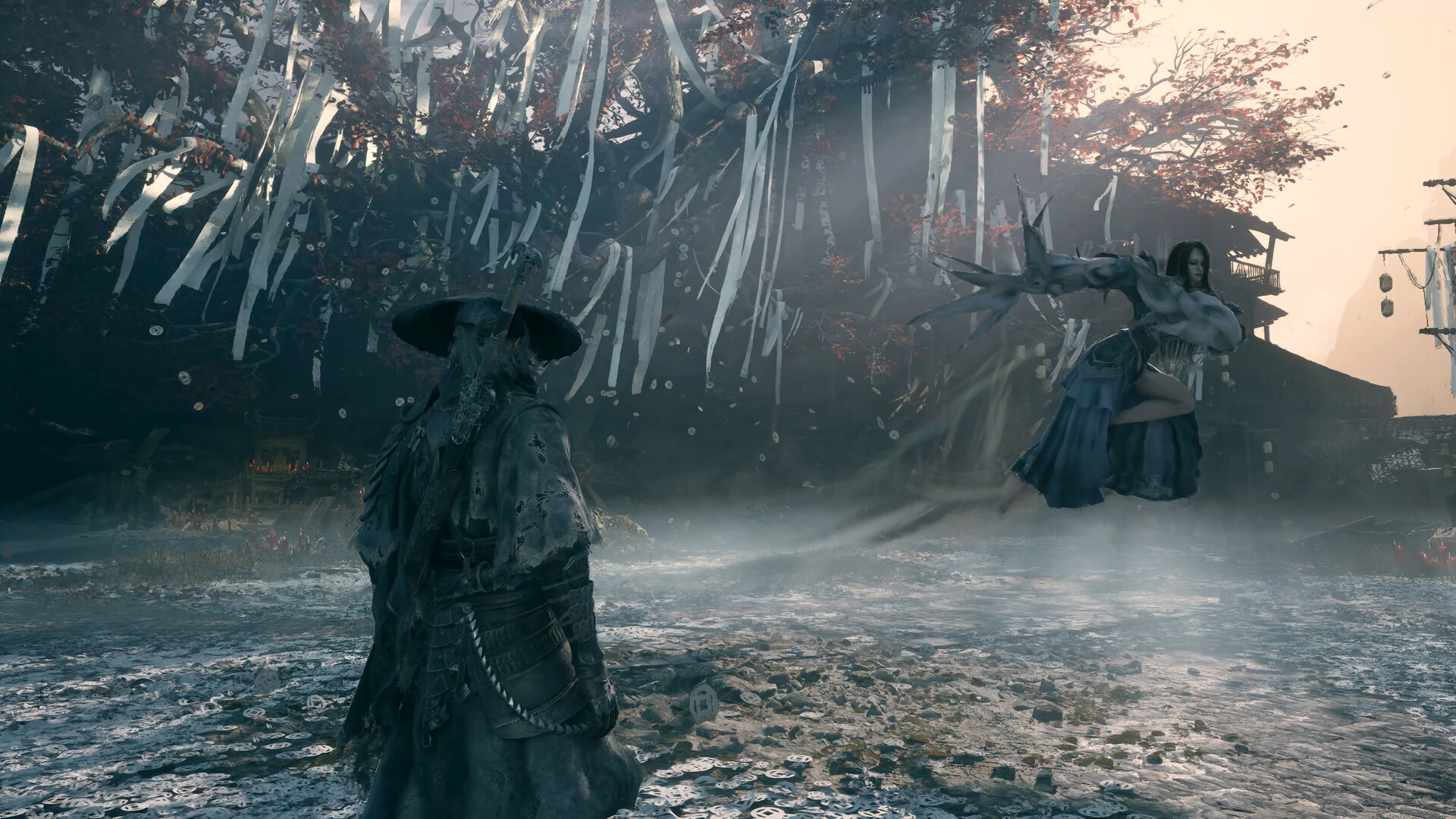
Check the difficulty before comparing attempts Confirm the installed patch and the difficulty selected in your save. A recording from another difficulty is not a reliable reference for how often Hua should choose a grab after this change. The patch names Wayfarer and Pathbreaker specifically, so a player on another setting should not expect the same frequency adjustment. Keep the difficulty constant while practicing. Changing it together with weapons and controls makes it difficult to tell whether improvement came from the announced behavior change or a different part of the setup.
If you played before the update, leave room for a fresh observation attempt instead of immediately reproducing an old sequence. Familiarity can help, but it can also make you wait for a grab that is now chosen less often. Watch the opening and follow-up actually presented. Do not count a few attempts as a complete probability table. Enemy choices and your own position can vary, and the announcement provides no percentage reduction to reproduce. Your objective is a dependable response, not proving a numerical rate that has never been published.
Identify what happens before the grab catches you When a grab ends an attempt, look backward at your last decision. Were you finishing an attack, moving toward Hua, recovering from another response, or losing sight of the animation? Those are different situations. A player repeatedly caught during their own long sequence needs to shorten commitment before assuming that every defensive input is too slow. A player caught while searching for the enemy on screen needs to address visibility and position. Naming the preceding action makes the next practice attempt specific enough to teach something.
For the next encounter, preserve most of the plan and change only that action. If overcommitment is the pattern, take a shorter opening and return attention to the boss. If visibility is the problem, use the opening to restore a clearer view. Do not invent a fixed safe distance or a button sequence from one successful escape. Instead, observe how your position affects what you can read and how much time remains to respond. Reliable recognition matters more than a lucky reaction you cannot explain or repeat.
Practice escape space before chasing damage Pay attention to where the fight places you in relation to scenery and the arena edge. A direction that felt available in open space may leave little room near an obstruction. When you have a safe opportunity to reposition, consider using it to restore room for the next exchange rather than spending all of it attacking. This is a positioning recommendation, not a claim that a particular wall causes a special grab interaction. You are improving the information and movement options available to your own character.
Keep movement deliberate enough that you can tell whether it helped. Repeatedly changing direction while the animation is unreadable may hide the reason one attempt succeeds and another fails. If you avoid the attack, note where you were and what you did immediately beforehand. If you do not, compare that same sequence without changing the entire loadout. A brief record such as “stopped attacking earlier and kept the boss visible” is more useful than a general instruction to dodge better, because it describes a decision you can apply again.
Use the reduced frequency without assuming safety The update may give Wayfarer and Pathbreaker players more exchanges in which a grab is not selected. Treat those exchanges as opportunities to perform ordinary combat cleanly, rather than proof that a long punish is now always safe. Continue watching the end of Hua's current sequence and stop attacking when your opening ends. If a non-grab follow-up catches you, record that as its own lesson. A change aimed at one action does not mean every remaining move has become harmless or that the fight now follows a simpler fixed rotation.
Avoid building your whole plan around provoking a particular attack. If an expected grab appears less often, waiting passively for it may reduce the useful practice you get from the rest of the encounter. Use the openings you can recognize now and leave unfamiliar ones alone until you see them clearly. This gives the patch room to improve the experience without making your tactics dependent on predicting an exact enemy choice. A flexible response to visible behavior is more durable than a routine that only works when the boss selects one move.
Keep weapon commitment measurable Bring a weapon whose basic sequence and recovery you understand. During the first updated attempts, use short deliberate attacks so you can identify whether you were still committed when danger returned. If the weapon repeatedly leaves you exposed despite recognizing the opening, compare an alternative over that same opening. Preserve the difficulty and defensive plan while making the comparison. You are checking practical recovery and reach, not claiming a universal strongest weapon for Hua. A loadout that fits your readable openings is useful even without a spectacular peak-damage clip.
Read current weapon and skill descriptions before relying on an older explanation. The November patch includes description changes, but that does not prove a new damage bonus for any particular weapon against this boss. Keep unverified interactions out of your plan. If you try a different tool, first learn its basic actions in a low-pressure setting, then return to the encounter. Trying to learn a new weapon and a revised boss rhythm simultaneously can make a promising change feel worse simply because you have doubled the amount of unfamiliar information.
Review the attempt with a small set of questions Ask whether you saw the grab begin, whether you were free to respond, and whether the surrounding position gave you a useful option. If you were not free, shorten the preceding offense. If you could not see it, fix camera and positioning. If you saw it and still failed, keep the setup consistent and practice the response rather than changing unrelated settings. These questions do not provide an exact timing recipe, but they turn repeated failures into separate problems that can actually be worked on.
Does the change apply to every difficulty? No, the grab-frequency reduction names Wayfarer and Pathbreaker. Are grabs disabled? No. Is a new grab damage value or frame count confirmed here? No. Should a player on another difficulty lower it just to match a guide? Choose the experience you want, then practice against that setting's actual behavior. The patch is a reason to revisit Hua with fresh observations. It is not a replacement for clear positioning, short punish decisions, and enough attention left over to recognize the next dangerous action.