
Gameplay · November 1, 2026
Phantom Blade Zero: A Boss Practice Plan for Launch Week
Phantom Blade Zero arrived at the end of October with fast martial-arts combat and a strong emphasis on spectacular encounters. The launch message describes a game built around making the player feel powerful through attacks, defense, dodges, and executions. That goal does not mean a new boss will become readable immediately. A useful practice plan turns the spectacle into decisions you can repeat. The method below focuses on observation and deliberate weapon commitment, offering a way to learn a difficult fight without inventing a universal damage ranking, hidden weakness, or guaranteed sequence for an encounter you have not yet understood.
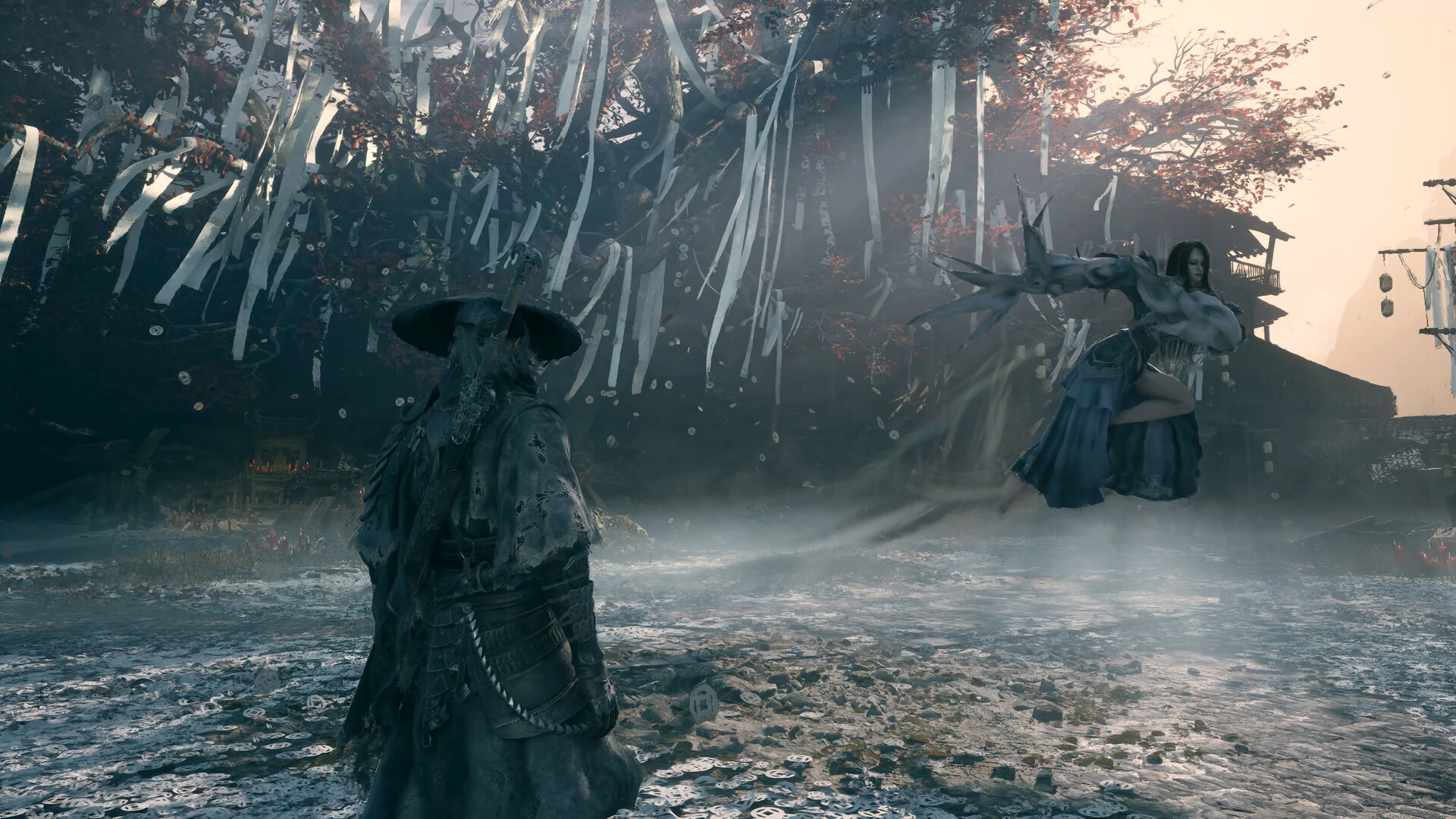
Give the first attempt a limited purpose Begin by trying to recognize the boss's opening sequence and the space it controls. Do not judge the attempt solely by how far the health bar falls. Watch how the enemy closes distance, whether it turns during a string, and how it behaves when you move away. Keep your offensive choices simple enough that you can still observe the response. A short attempt that reveals an important follow-up can be more useful than a longer attempt filled with panic inputs you cannot remember afterward.
Choose one question before entering again. For example, you might want to know whether a particular string ends after the visible pause, or whether the boss uses a different approach at a greater distance. This does not require waiting passively through the entire fight. Use familiar openings while reserving attention for the question. When the relevant sequence appears, prioritize seeing it clearly over forcing extra damage. The next attempt should begin with one more reliable observation, rather than the same uncertainty dressed up as a new equipment choice.
Establish a comfortable control baseline Use the control arrangement you can perform consistently. The PS5 version provides three layouts, and PC offers more flexible remapping, but configuration should support practice rather than interrupt it. Test your chosen defensive input and camera access in an ordinary encounter before returning to the boss. If you repeatedly press the wrong button, resolve that first. If inputs are comfortable everywhere except one attack, focus on learning that attack rather than changing the entire layout every time the boss wins.
Keep your first weapon choice stable while learning the opening. Weapon familiarity helps you recognize recovery and decide when to stop attacking. A new weapon may eventually suit the fight better, but introducing it simultaneously with an unfamiliar boss creates two learning problems. Use the tools whose basic sequence you can execute without looking down at the controller. The aim is not to prove loyalty to a favorite weapon. It is to create a baseline that lets you tell whether a failed attempt came from positioning, timing, or overcommitting to an attack.
Identify the complete string before punishing Fast encounters can make an early pause look like a final recovery. Observe whether the boss follows it with another strike, changes direction, or reacts to your approach. Delay a punish once if necessary to see what happens. That information is more valuable than repeatedly landing an opening hit and being caught by the same follow-up. Avoid declaring an attack unfair until you understand the sequence you are attempting to interrupt. A readable fight often begins with learning where the enemy's turn actually ends.
After identifying a dependable opening, use the shortest punish that produces a clear result and lets you return to defense. Do not prescribe yourself a fixed hit count copied from another player using different tools. Watch your own recovery and the enemy's next motion. If the punish succeeds repeatedly, extend it cautiously or reserve the extra time for repositioning. The important skill is recognizing when the opportunity is over. More damage is useful only if you can leave the exchange in a state that supports the next decision.
Use spacing to make attacks easier to read Distance changes what you can see and which actions are convenient. If you are so close that the boss fills the screen and hides the weapon, move enough to recover a useful view. If you are constantly running back into range after every defense, inspect whether you are retreating farther than necessary. Neither observation proves one ideal distance for every move. It helps you find a working position where you can read the next attack and still reach a safe opening without an uncontrolled dash.
Pay particular attention to arena edges and scenery. A failed defense near a wall may reflect a poor view or a restricted escape path rather than the same timing problem you had in open space. When possible, bring the exchange back to a clearer area before attempting a complicated punish. If the boss moves you somewhere awkward, treat repositioning as a worthwhile use of an opening. Not every recovery must become damage. Sometimes the best investment is giving yourself enough room to read and survive the following sequence.
Change the weapon for a specific reason Once you understand the opening pattern, decide whether your weapon creates a recurring problem. Perhaps its attack leaves you committed longer than the openings you can recognize, or its reach makes your usual position inconvenient. If so, compare another weapon over the same opening and keep the rest of the plan stable. The comparison should answer one question about usability. It should not become a competition to produce a dramatic clip on a lucky attempt that ignores the mistakes ending most of your runs.
Read the current move and equipment information before assuming a special interaction. Do not spend scarce resources simply because a recommendation calls a weapon mandatory. A useful alternative must solve the difficulty you actually have. If the repeated failure is reacting too early to a delayed swing, a different damage number may change nothing. Practice the relevant motion first. If the failure comes from attack recovery that never fits your safe opening, a tool with a more manageable sequence may make the fight easier even without an impressive theoretical advantage.
Turn later phases into another small lesson When a new phase begins, return briefly to observation. Familiar-looking motions can gain follow-ups, different spacing, or altered pacing. Preserve the openings you know remain safe, and leave unfamiliar situations alone until you see them clearly. Reaching the phase consistently is itself progress because it gives you more opportunities to learn it. Avoid spending every attempt trying a different aggressive trick before the new sequence has even finished once in a readable position.
After each attempt, keep one useful note: the follow-up you missed, the punish that was too long, or the position that made the attack clearer. Return with one adjustment and preserve the parts that worked. A boss practice plan succeeds when failures become understandable and repeated openings become reliable. The spectacular finish then grows out of a series of ordinary decisions you can explain. Launch week is a good time to build that habit, because it lets every new encounter teach you something you can carry into the next one.